
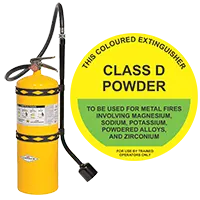
 In Australia, Class D fire extinguishers are used on combustible metals, such as magnesium, titanium, sodium, etc., which require an extinguishing medium that does not react with the burning metal. Here’s a guide on how to identify them, how they work and when to use them safely:
extinguisher
- 7 JanRead more »
- 7 JanRead more »
Are Electric Vehicles Fire Safe?
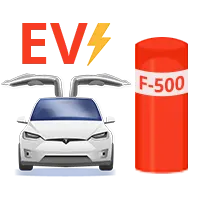 In short: Yes,
 - 7 JanRead more »
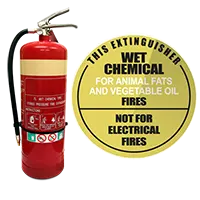 In Australia, Wet chemical Class F extinguishers were developed for modern, high efficiency deep fat fryers in commercial cooking operations. They may also be used on Class A fires in commercial kitchens. Here’s a guide on how to identify them, how they work and when to use them safely:
 Wet c
- 6 JanRead more »
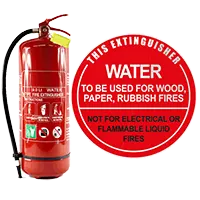 In Australia, Water Class A extinguishers are one of the most common fire extinguishers on the market. Water is a very cost effective solution and has zero impact on the environment. Here’s a guide on how to identify them, how they work and when to use them safely:
 Water fire extinguisher
- 3 JanRead more »
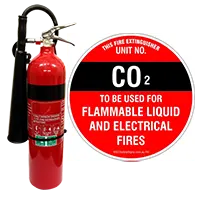 Carbon Dioxide Fire Extinguishers are most commonly used for Class E fires (Electrical) in Australia. Also known as a CO2, or
 - 1 JanRead more »
A Dry Chemical Fire Extinguisher is the most common type used in Australia. It is also known as a DCP, BE, or ABE fire extinguisher. To determine if a fire extinguisher is a dry chemical type, one simply needs to look for the white band that runs around the tank. One can also check the description sign to ensure they have a dry chemical fire extinguisher. With this information, people will know more about these extinguishers and how they work so they can be used safely.